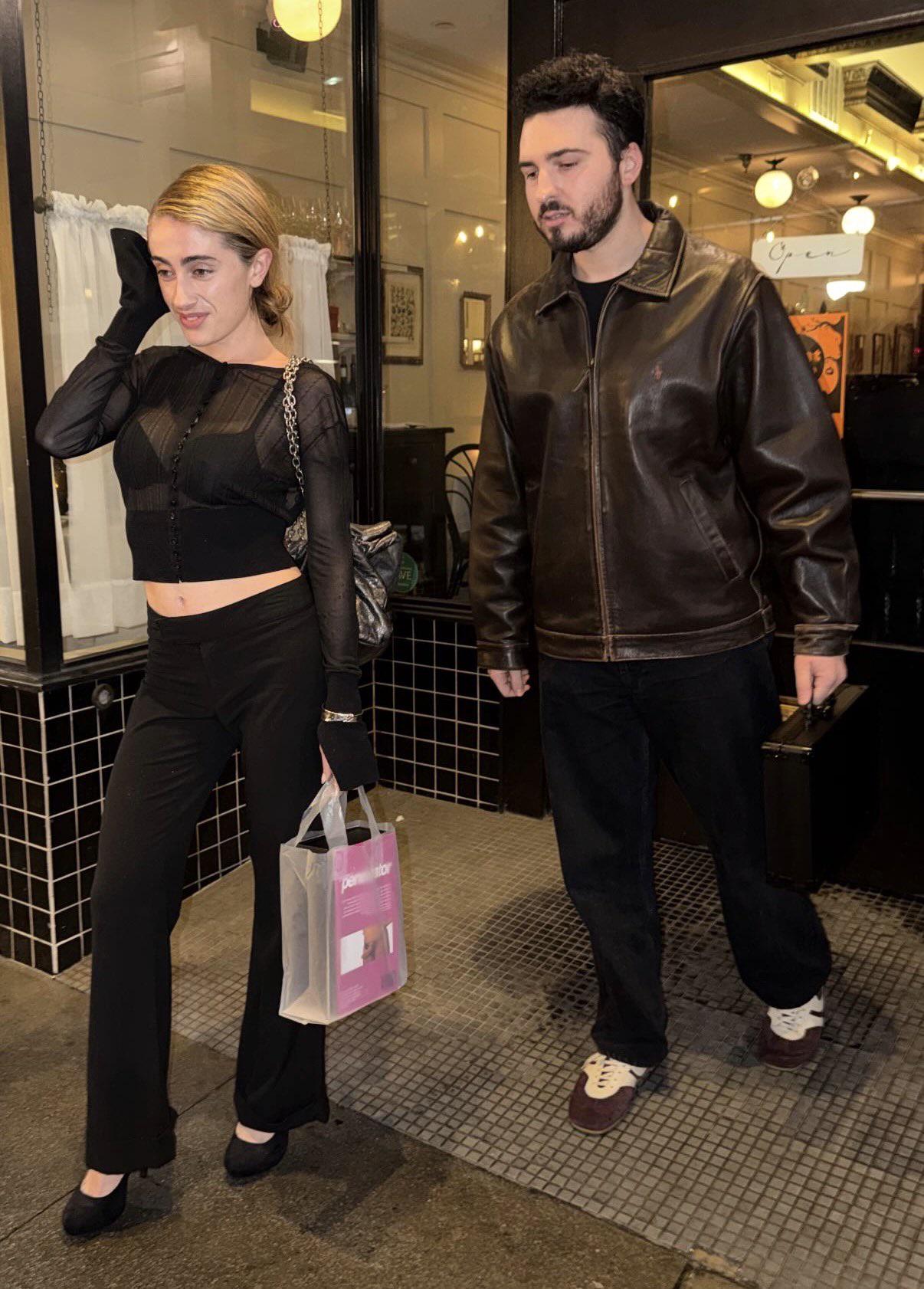
When it comes to Halloween, celebrities face a unique kind of pressure. Every costume is scrutinized, photographed, and endlessly debated by fans and critics alike. Recently, actor and comedian Rachel Sennott and producer Blake Slatkin stepped into the spotlight with a costume that immediately divided opinion across social media: a recreation of a famous 2002 photograph of Madonna and her then-husband Guy Ritchie exiting a London sex shop carrying a transparent shopping bag.
The original moment, captured decades ago by photographers, became infamous largely because of the starkly contrasting expressions on the couple's faces and the sheer absurdity of carrying such an item out in broad daylight through clear plastic. Sennott and Slatkin’s recreation leaned heavily into this obscure pop culture history, pairing a sleek black outfit and sunglasses with the crucial prop: a transparent bag containing a replica strap-on.
While many fans embraced the niche reference as peak comedy, the costume sparked a lively debate regarding the rules of engagement for conceptual dress-up. Some critics argued that if a costume requires explaining or a side-by-side reference photo to be understood, it misses the mark. Others pointed out discrepancies in the clothing choices, noting that the wardrobe lacked the exact 1900s aesthetic details of the original outing.
However, a robust counter-movement defended the approach, championing the improvisational spirit often celebrated in internet subcultures. Supporters argued that pulling together a recognizable look from existing wardrobe staples or minimal purchases is not only relatable but a welcome antidote to modern overconsumption.
As one observer noted, "i guess to me it kinda feels like they pulled this together from what they largely already own clothing-wise and given how insane overconsumption is right now i’m not gonna be mad about that? normalize imperfect costumes put together from items in your closet plus like an extra or two you bought!!"
Others echoed the sentiment, suggesting that striving for a rigid one-to-one replica can drain the spontaneity out of the holiday. "Honestly, I feel like the joke only lands if it's clear someone put thought into it and stays truly loyal to the original moment," countered a critic who felt the execution fell short of the reference material's potential. Yet defenders countered that the cleverness of the prop and the commitment to the bit outweighed minor wardrobe discrepancies.
Ultimately, whether viewed as a stroke of comedic genius or a half-hearted attempt with ample resources, the costume successfully captured the internet's attention. It highlighted a broader cultural divide between those who demand meticulous attention to detail in celebrity fashion tributes and those who simply appreciate a good, quick laugh on a holiday built for absurdity.